Autonomous humanoid robots tested in the Russian winter
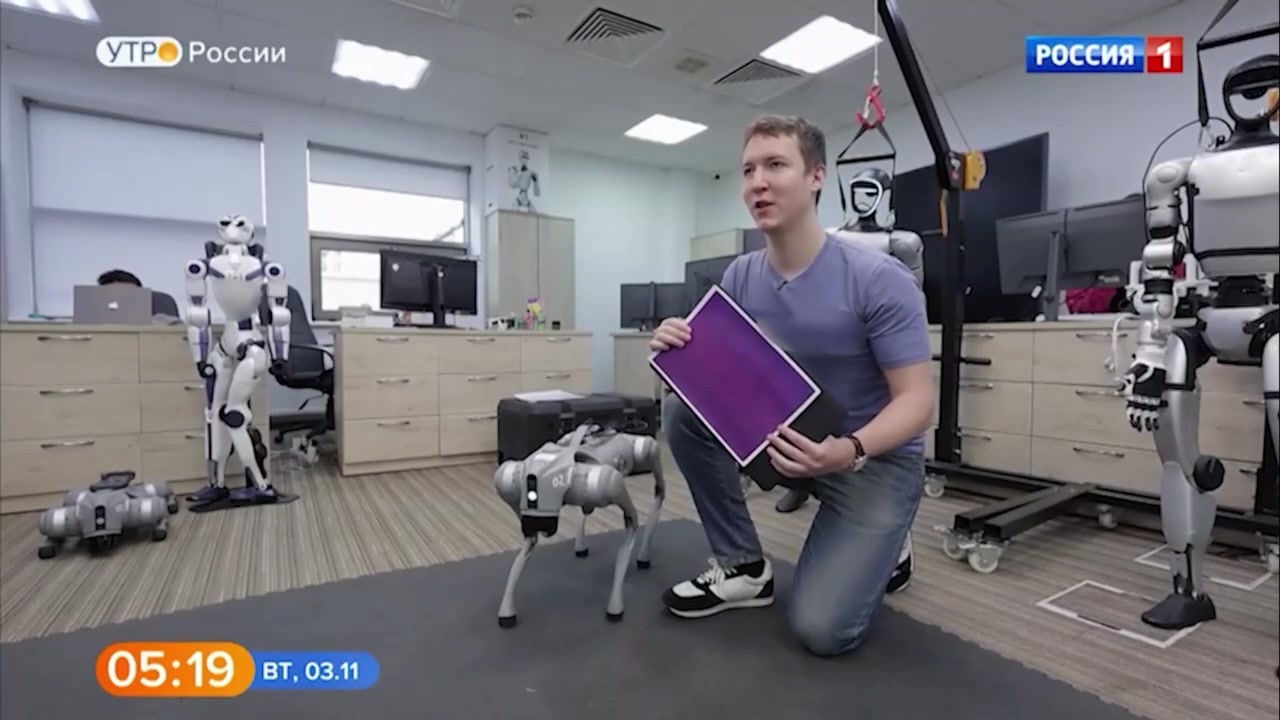
IT Imperial, a Russian developer of robotic platforms, has successfully tested an autonomous navigation system for humanoid robots. Testing took place outdoors in real winter conditions, confirming the technology’s readiness for practical use.
The solution enables remote robot control through Pico VR headsets in a hybrid mode. The robot can independently follow a specified route using autonomous navigation, while the operator takes over only in difficult situations. This reduces the human workload. The system streams panoramic video in real time, includes collision protection and works over Wi-Fi, LTE and 5G. The equipment is not subject to sanctions restrictions, making the systems promising for the public sector and large businesses.
As Head of Robotics Vladimir Ivanyutenko noted, development focused on protecting the robot from damage and minimizing signal delays between the headset and the robot. The company is currently expanding its functionality: it plans to add whole-body control using additional trackers and a 360-degree camera for a more immersive operator experience.
Key applications include industrial automation, site patrols and monitoring hard-to-reach areas. Deputy CEO Anna Bagdasarian emphasized the project’s social value: the system allows people with disabilities to work as operators and participate in the real economy.
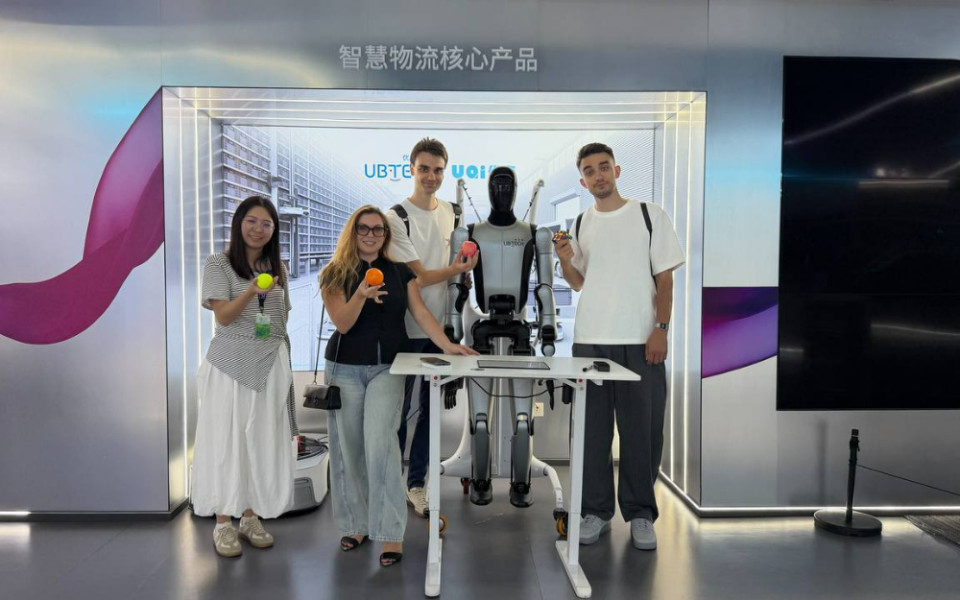
In parallel, the company is developing the Vision Action module based on embodied artificial intelligence. This technology will allow robots to independently analyze visual information from cameras and convert it into precise motor actions. These developments are part of work on a humanoid robot platform previously presented at GITEX 2025 in the UAE with support from the Moscow Government, and also demonstrated at a VTB meeting.
Read more: Computerra
Source

February 24, 2026

Anna Bagdasarian
Deputy CEO of IT Imperial