From generative AI to Physical AI: how the global economy is changing
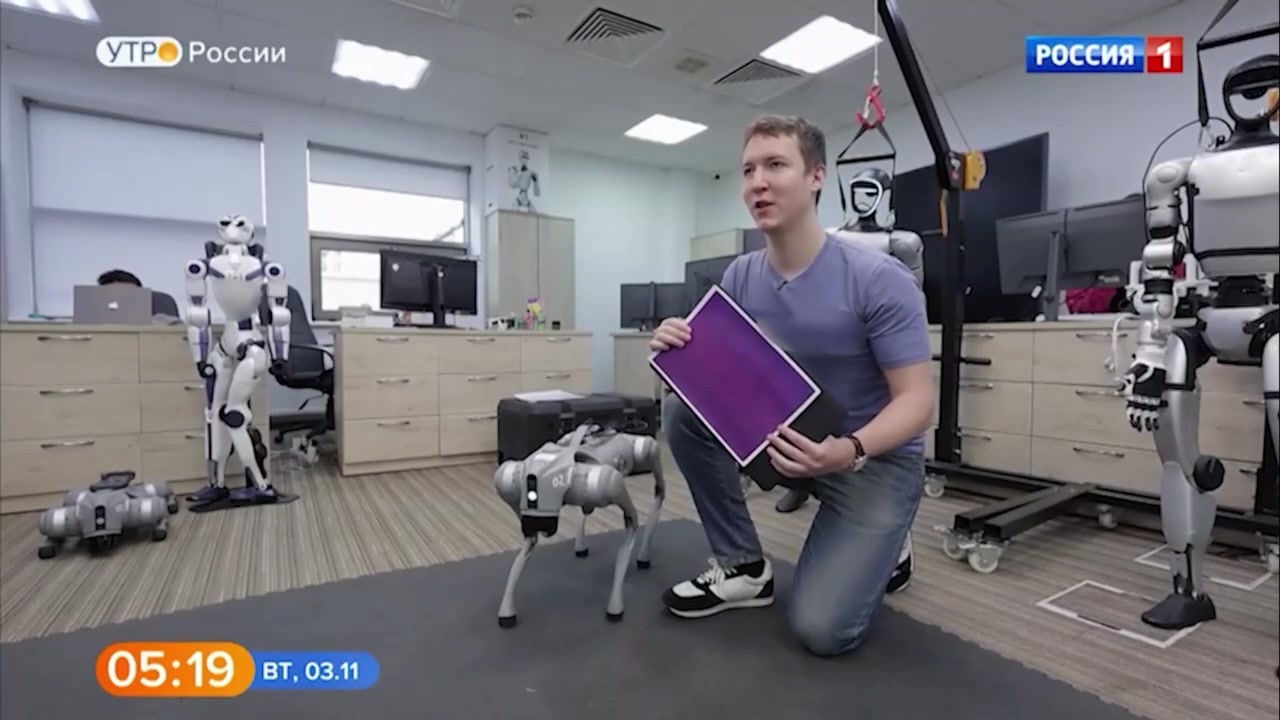
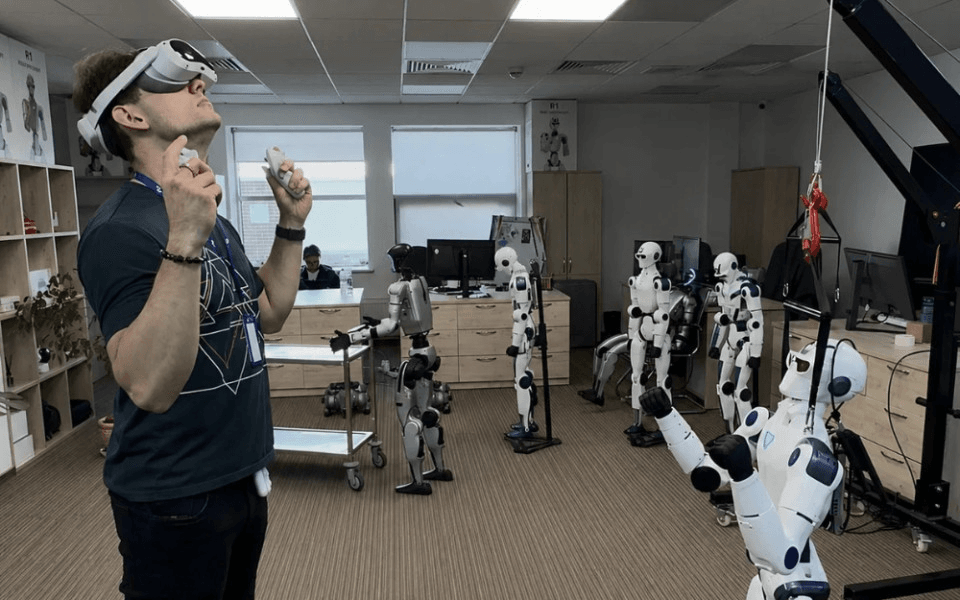
Just a year ago, it seemed that the development of large language models would dominate the technology agenda. ChatGPT, Claude, Gemini and other systems demonstrated that artificial intelligence can write, program, analyze documents and perform many intellectual tasks faster than humans. But what do we see in 2026? Major global analytical organizations, including Boston Consulting Group, McKinsey and Silicon Valley Bank, are discussing the next stage of the technological revolution. The main driver is no longer generative AI on its own, but Physical AI*: artificial intelligence capable of interacting with the physical world.
We are seeing the global economy begin to move toward a fundamentally new model. Generative AI automated work with information. Physical AI, in turn, seeks to automate manufacturing, logistics, transport, energy, construction and the entire industrial infrastructure. We introduce the main ideas and conclusions of major analytical studies.
Source

July 30, 2026

Anna Bagdasarian
Deputy CEO of IT Imperial